KATHMANDU, NEPAL - In a major step toward advancing sustainable, climate-resilient agriculture and rural economic transformation, a high-level delegation from Pakistan completed an intensive seven-day exposure visit to Nepal from June 24 to June 30, 2026. Organized under the landmark Generating Resilient Opportunities for Women and Youth in Agriculture in Pakistan (GROW-Pak) Project, the knowledge exchange program brought together cooperative leaders, agricultural experts, and development partners to study Nepal’s renowned cooperative-led rural development ecosystem.
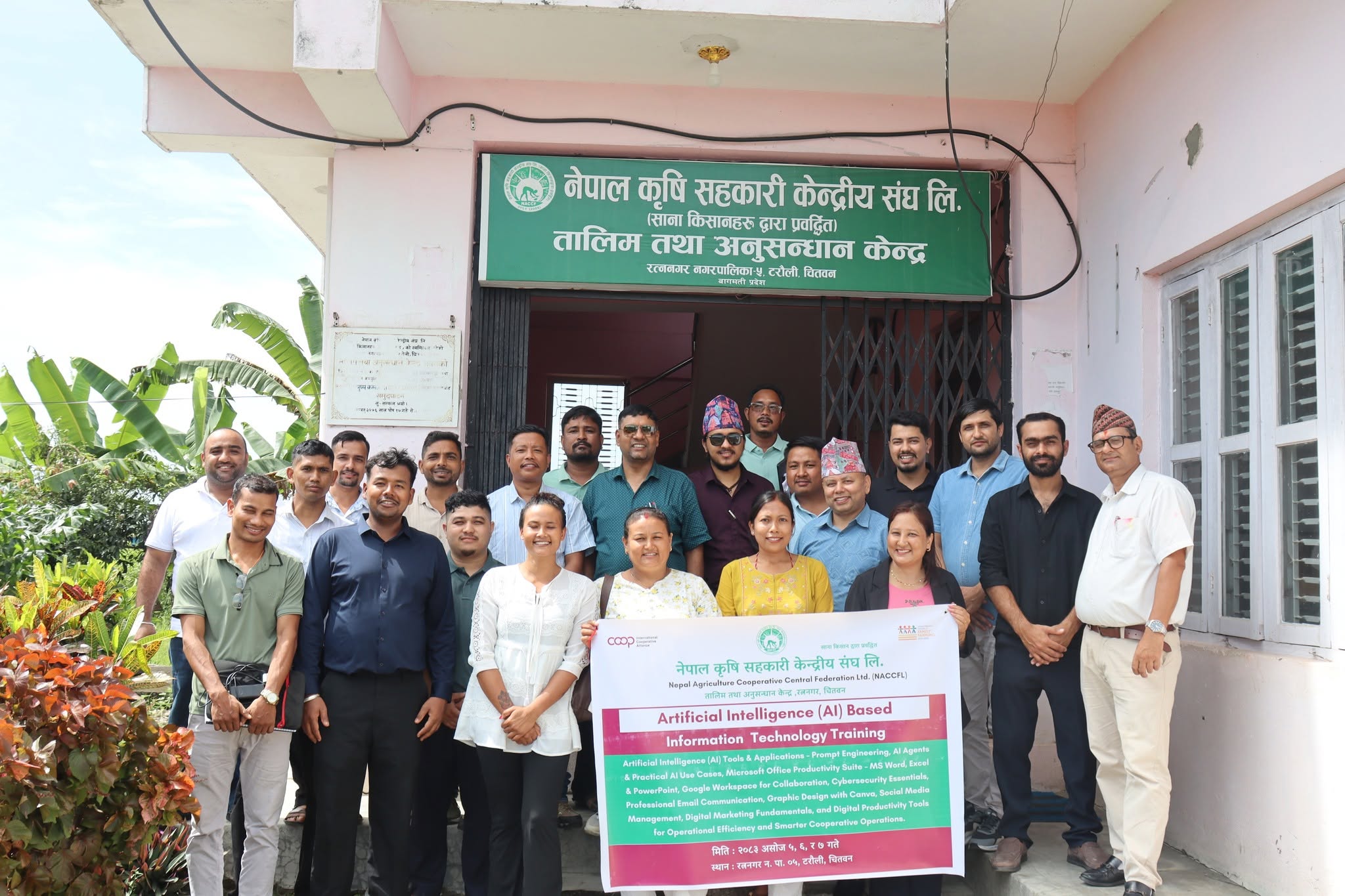
The strategic initiative was facilitated by the Nepal Agriculture Cooperative Central Federation Ltd. (NACCFL) in technical partnership with Triangle Génération Humanitaire Pakistan (TGH-P). Designed to foster cross-border learning through South–South Cooperation, the program provided delegates with actionable insights into cooperative governance, enterprise development, value chain integration, financial inclusion, and women-led entrepreneurship.
Fostering Resilience: The Vision Behind the GROW-Pak Project
Agriculture remains the cornerstone of rural livelihoods across South Asia, yet smallholder farmers in vulnerable ecological zones—such as Gilgit-Baltistan, Pakistan—face growing threats from climate change, market isolation, and limited access to financial services. The GROW-Pak Project addresses these structural challenges by empowering local communities, particularly women and youth, through sustainable agricultural practices and institution building.
Recognizing Nepal’s decades-long leadership in community-rooted cooperative models, NACCFL served as the primary technical partner for the delegation. Nepal's Small Farmers Agriculture Cooperative (SFACL) framework has transformed grassroots farming communities by converting subsistence agriculture into commercial, market-linked enterprises.
Through a blend of field observations, institutional visits, and policy-level dialogues, the Pakistani delegation explored how Nepal's cooperative network delivers one-window technical, financial, and marketing solutions directly to smallholders.
Highlights of the 7-Day Exposure Visit: From Policy to Field Practice
The exposure program spanned several key agricultural hubs in Nepal, including the Kathmandu Valley, Kavrepalanchok, Sindhupalchok, and Dhading districts. Each day exposed delegates to distinct facets of the country’s agricultural cooperative value chain.
- Day 1 began at the NACCFL Headquarters and the Warm Temperate Horticulture Centre in Kirtipur, focusing on foundational cooperative models and climate-resilient horticulture practices.
- Day 2 took participants to Gaurishankar SFACL in Kavre, where the focus shifted to community quality assurance through the Participatory Guarantee System (PGS) and agro-tourism via cooperative-managed homestays.
- Day 3 centered on Suryamukhi SFACL in Sindhupalchok, examining dairy value chain integration and commercial kiwi farming systems.
- Day 4 highlighted female empowerment and market logistics, featuring visits to Kewalpur Mahila SFACL to observe women-led leadership and Salang SFACL to analyze produce aggregation and collection center operations.
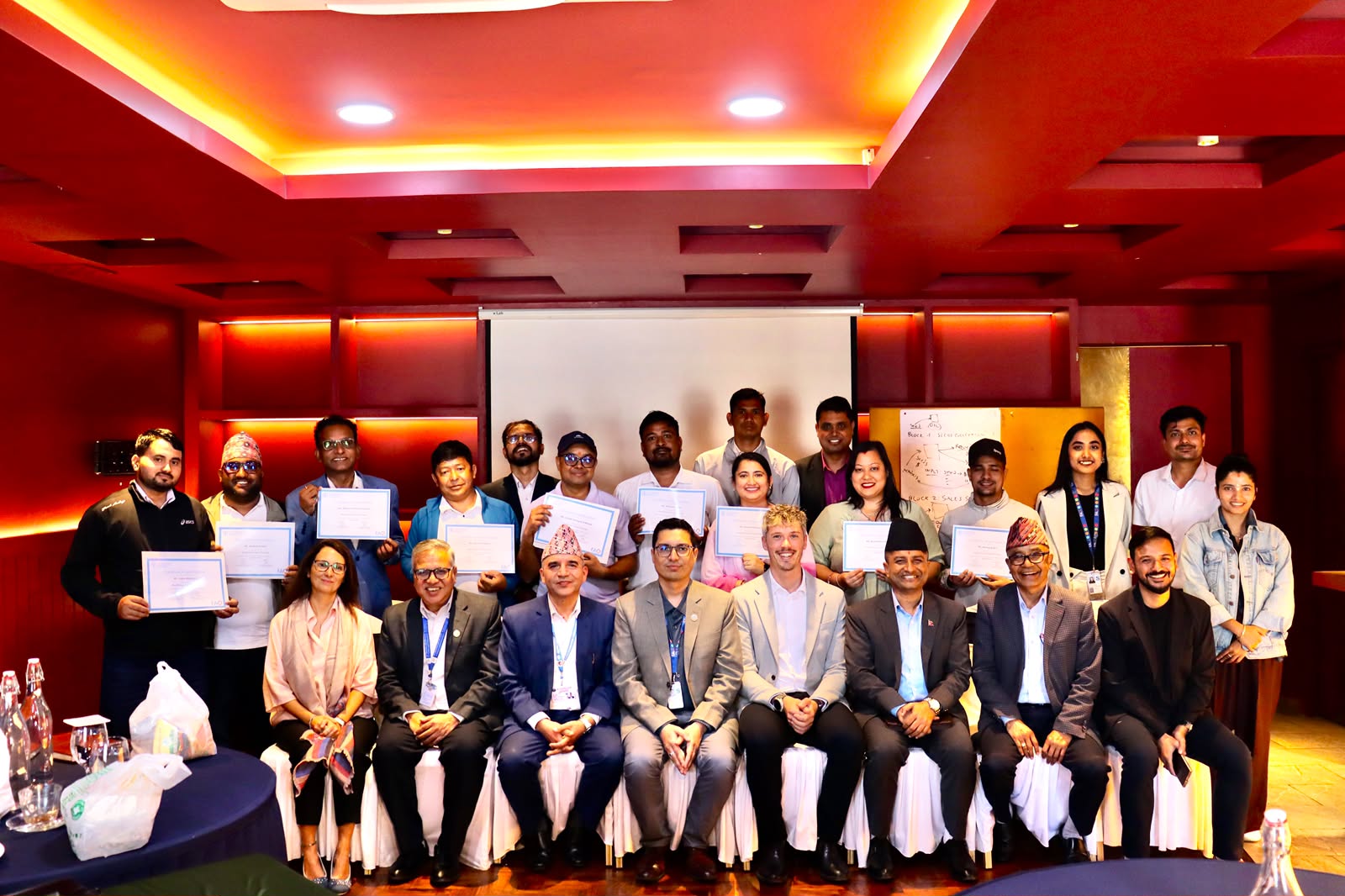
- Days 5 through 7 concluded the program in Kathmandu and Lalitpur with reflection workshops, policy-level discussions with government and financial leaders, and the finalization of six-month institutional action plans for implementation in Pakistan.
1. Orientation and Climate-Resilient Horticulture (Day 1)
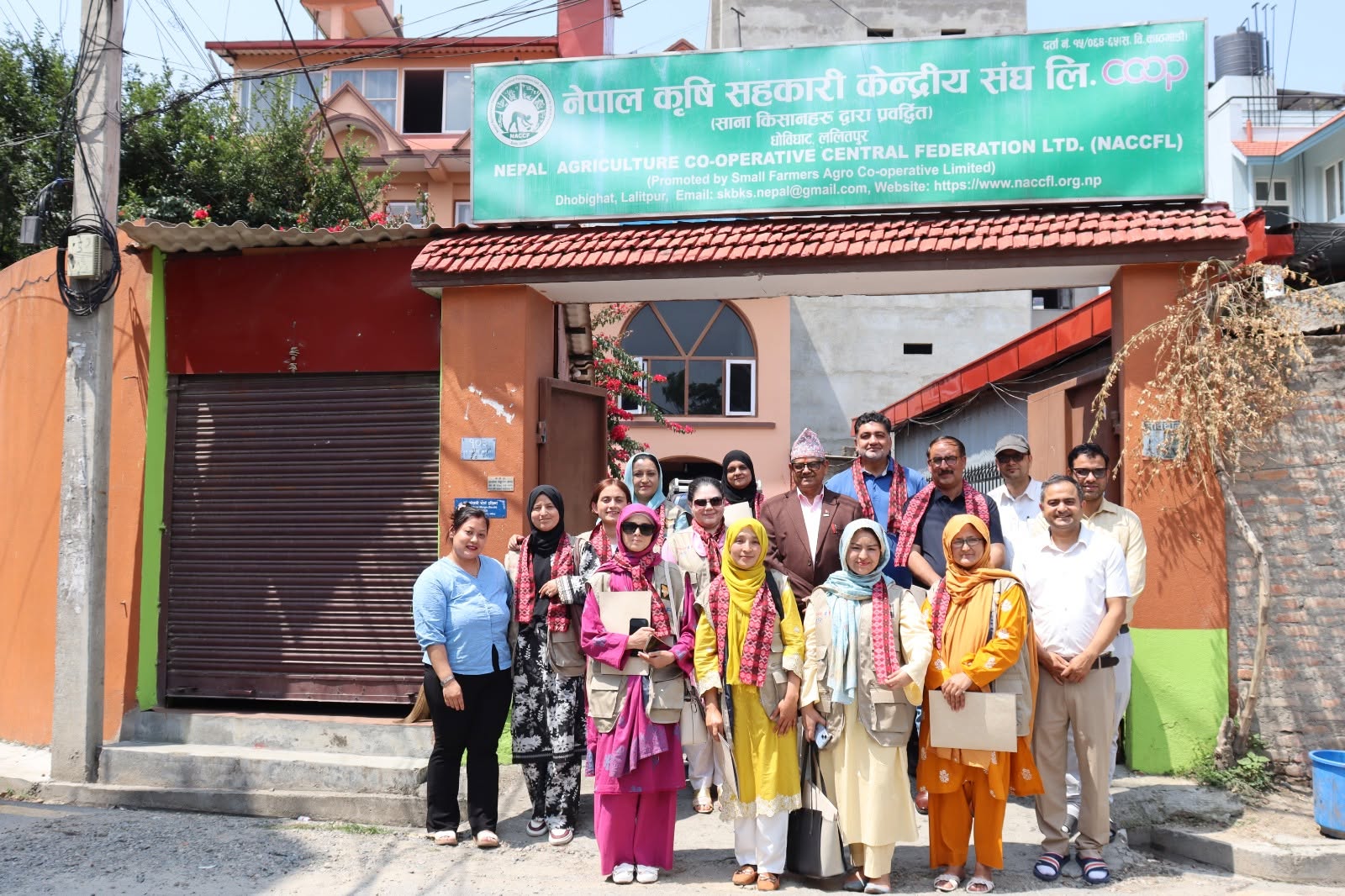
The delegates opened their visit at NACCFL Headquarters in Dhobighat, Lalitpur, receiving a comprehensive orientation on the historic evolution of Nepal’s cooperative movement and the structural architecture of the SFACL model. Later in the day, the team visited the Warm Temperate Horticulture Centre in Kirtipur, observing high-tech nursery management, climate-resilient fruit propagation techniques, and research-extension linkages.
2. Community Quality Systems and Knowledge Hubs (Day 2)
In Kavrepalanchok district, delegates toured the Gaurishankar Small Farmers Agriculture Cooperative Ltd. Key highlights included observing the Participatory Guarantee System (PGS)—a community-managed quality assurance mechanism for safe and organic produce—and visiting a Cooperative Knowledge Centre that serves as a localized training hub for climate-smart farming techniques. The delegation also explored cooperative-backed agro-tourism and community homestays.
3. Integrated Farming and Dairy Value Chains (Day 3)
At the Suryamukhi SFACL in Bhotechaur, Sindhupalchok, participants examined cooperative-managed dairy collection facilities and milk processing setups. The delegation interacted with women-led commercial kiwi farming groups and observed integrated crop-livestock farming systems that maximize resource efficiency and climate resilience.
4. Women-Led Leadership and Market Aggregation (Day 4)
In Dhading district, delegates visited the Kewalpur Mahila SFACL, an enterprise managed entirely by women. The group observed successful commercial mushroom production facilities and engaged in interactive discussions on female economic leadership. The delegation then proceeded to Salang SFACL to analyze cooperative-managed collection centers, focusing on produce grading, sorting, packaging, cold storage, and direct market linkage mechanisms.
5. Days 5 through 7
Cncluded the program in Kathmandu and Lalitpur with reflection workshops, policy-level discussions with government and financial leaders, and the finalization of six-month institutional action plans for implementation in Pakistan
Strategic Knowledge Sharing: Bridging Policy and Finance
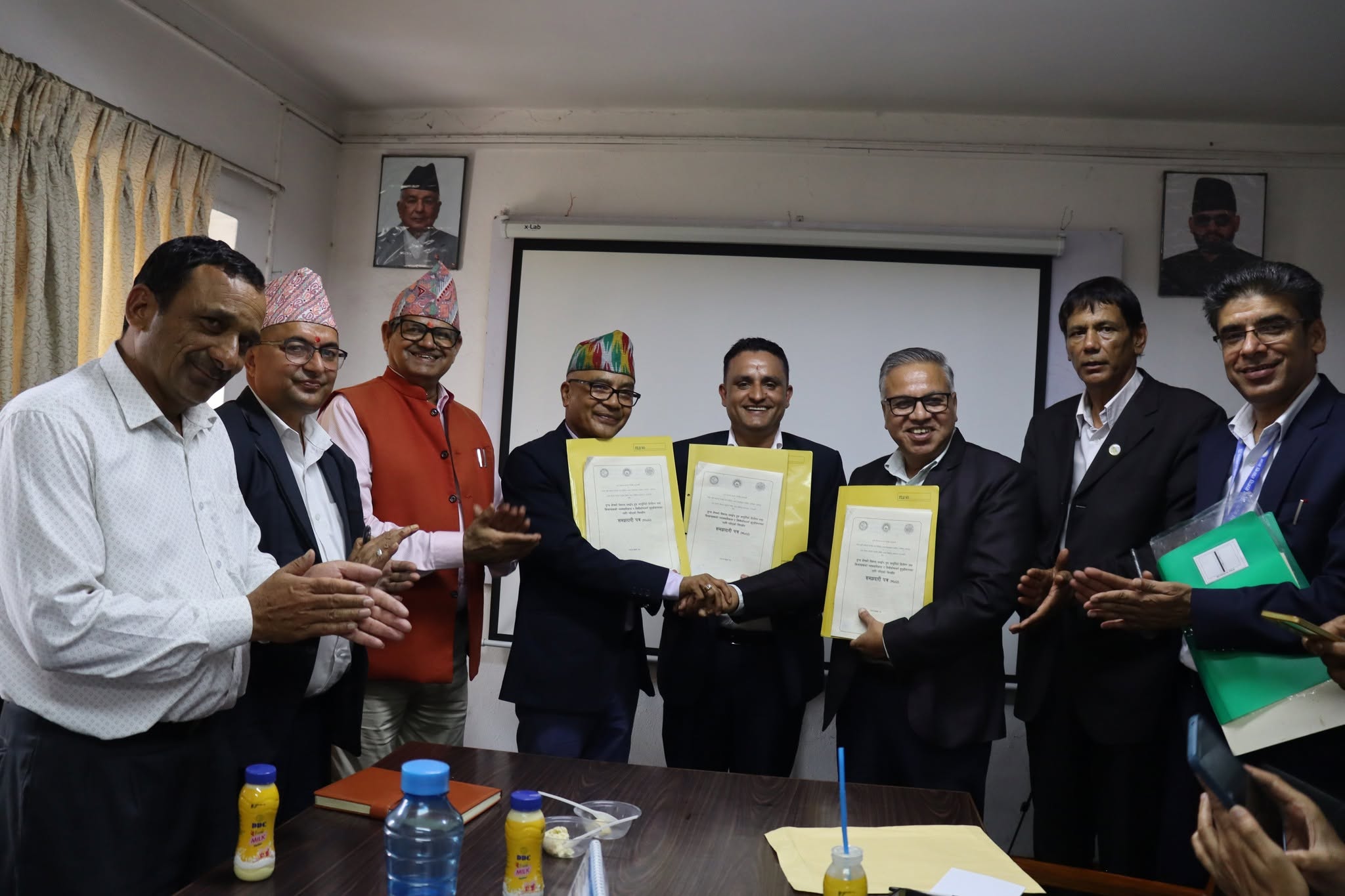
The final phase of the visit bridged grassroots practice with macro-level policy. On June 29, 2026, a high-level Policy-Level Learning and Knowledge Sharing Workshop was convened in Lalitpur, bringing together officials from Nepalese ministries and financial leaders.
- Ministry of Agriculture and Livestock Development (MoALD): Senior representatives presented Nepal’s policy framework for agricultural transformation, legislative backing for farmer organizations, and public-cooperative partnership programs.
- Sana Kisan Bikas Laghubitta Bittiya Sanstha Ltd. (SKBBL): Financial specialists outlined wholesale lending architecture, micro-equity models, and concessional agricultural credit mechanisms designed to keep rural cooperatives financially solvent and self-sustaining.
This institutional dialogue illuminated the structural policies required to establish an ecosystem where women- and youth-led cooperatives can thrive over the long term.
Core Takeaways & Replication Opportunities for Gilgit-Baltistan
Following a comprehensive reflection workshop, delegates synthesized their observations into key operational priorities for adaptation in Gilgit-Baltistan, Pakistan:
- Integrated One-Window Service Delivery: Transitioning local primary cooperatives in Pakistan from basic credit providers into multi-service hubs offering seed inputs, machinery rental, technical advisory, and financial products.
- Cooperative Collection and Aggregation Centers: Establishing village-level collection infrastructure to reduce post-harvest losses, standardize produce grading, and improve collective bargaining power with urban wholesalers.
- Participatory Guarantee System (PGS): Implementing peer-certified organic and eco-friendly farming standards to boost consumer trust and premium pricing for high-value Gilgit-Baltistan crops.
- Institutionalized Women and Youth Governance: Establishing targeted leadership development programs, reserved seats in cooperative management boards, and tailored micro-grant support for youth- and women-led enterprises.
- Cooperative Knowledge Hubs: Launching localized farmer demonstration sites equipped with climate-smart technologies, digital extension resources, and peer-to-peer coaching frameworks.
The Way Forward: Translating Learning into Action
The seven-day exposure program culminated with each participating delegate and organization formulating concrete, six-month institutional action plans tailored to their respective cooperatives in Pakistan. These action plans focus on upgrading internal governance manuals, establishing pilot collection centers, expanding financial services, and launching specialized training modules for young agri-preneurs.
Speaking at the closing farewell ceremony at NACCFL Headquarters, project leaders reaffirmed their commitment to deepening bilateral cooperation. By demonstrating the power of community-driven, climate-resilient cooperative networks, the GROW-Pak initiative sets a robust benchmark for South–South Knowledge Exchange. As delegates return to Gilgit-Baltistan, the lessons gathered across Nepal’s valleys promise to lay the groundwork for a more inclusive, prosperous, and sustainable agricultural future.